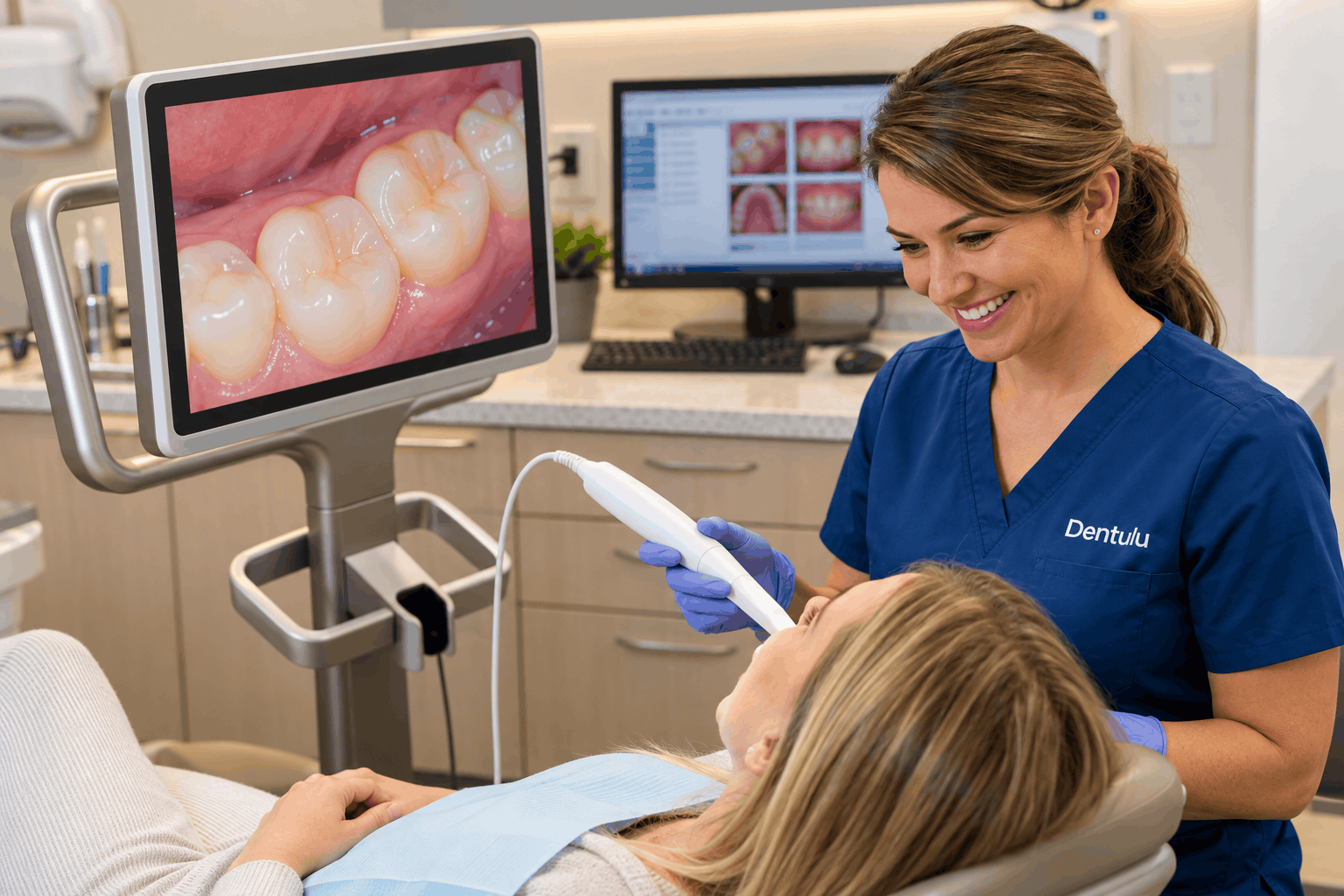
The Future of Intraoral Cameras: Emerging Trends Shaping Digital Dentistry
Technology continues to influence how dental professionals capture, review, and share information about oral health. Among the tools used in modern dental environments, intraoral cameras offer a visual way to examine and document visible areas inside the mouth.
As digital dentistry evolves, interest in intraoral cameras extends beyond image capture alone. Device design, connectivity, compatibility, portability, and integration with digital workflows are becoming important considerations when selecting dental imaging equipment.
Industry discussions and market research point to several areas of interest, including high-definition imaging, wireless devices, compact designs, and patient-focused communication. These developments provide useful context for understanding how intraoral cameras fit into today’s dental practices.
- High-Definition Imaging and Visual Documentation
Image quality is an important consideration when selecting an intraoral camera. Clear, well-lit images can provide a useful visual reference during dental examinations, consultations, and patient education.
Developments in camera sensors, illumination, and image processing continue to influence how digital imaging devices are designed. Depending on the device, these features may affect image detail, colour representation, and the visibility of different oral structures.
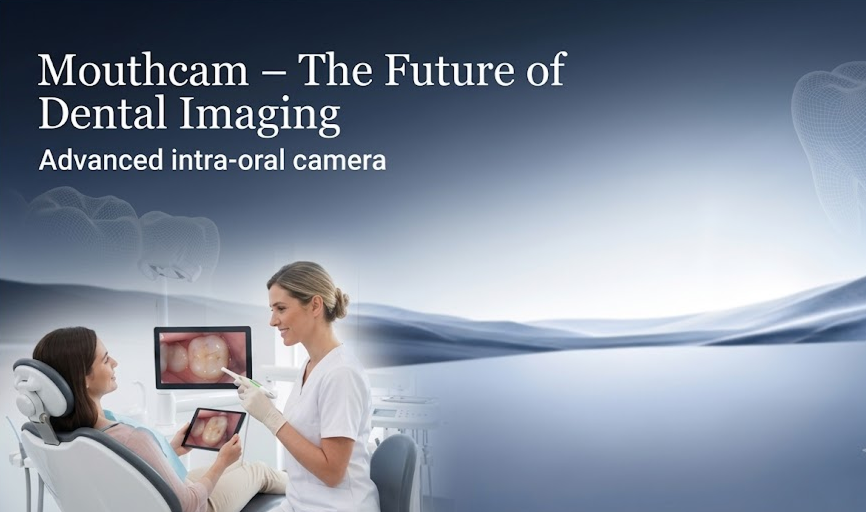
For dental professionals, visual documentation can support discussions about areas requiring attention and help patients understand the information being presented during an appointment.
When comparing cameras, it is useful to review resolution, focus capabilities, lighting, image capture options, and compatibility with the intended viewing device.
It is equally important to remember that photographs provide only a visual representation of the areas captured. They do not replace a comprehensive dental examination or other diagnostic procedures when needed.
- Wired and Wireless Camera Options
Connectivity is another consideration shaping the intraoral camera category. Wired and wireless devices offer different approaches to setup, positioning, and everyday use.
Wired intraoral cameras connect to a compatible device through a cable. Users may prefer this arrangement when the camera will be used in a regular workspace and the required connections are readily available.
Wireless intraoral cameras provide a cordless configuration. Depending on the model, users may need to consider charging, connectivity, supported devices, and any associated software requirements.
Neither configuration is automatically the right choice for every setting. A dental practice may prioritise compatibility with existing equipment, while another user may place greater importance on portability and setup.
Before selecting a camera, review the manufacturer’s specifications to understand how it connects, which devices it supports, and what is required to capture and view images.
- Compact Designs and Ease of Handling
The physical design of an intraoral camera influences how it can be positioned and handled during use. Size, weight, grip, cable management, and access to controls can all be relevant when evaluating a device.
Compact designs may be worth considering for users who need to transport equipment between locations or work in environments with limited space.
Ease of handling is also important when capturing images of different areas of the mouth. Users should familiarise themselves with the device’s operating instructions, positioning guidance, cleaning requirements, and appropriate infection-control procedures.
When comparing products, look beyond appearance alone. Consider the complete setup, accessories, compatibility, and practical requirements of the intended workflow.
- Digital Dentistry and Connected Workflows
Dental practices increasingly use digital tools for imaging, patient records, communication, and practice administration. In this environment, an intraoral camera may be one component of a broader digital workflow.
The usefulness of a camera within that workflow depends partly on how images can be captured, stored, accessed, and shared. Some users may require a direct connection to a computer, while others may need compatibility with a particular software application or device.
Before purchasing equipment, determine whether the camera supports your preferred workflow. Check operating-system requirements, supported software, image export options, and any integration requirements.
It is also worth considering how images will be managed and protected, particularly when they contain identifiable patient information. Appropriate consent, access controls, and secure handling procedures remain important when using digital dental images.
- Patient Communication and Teledentistry
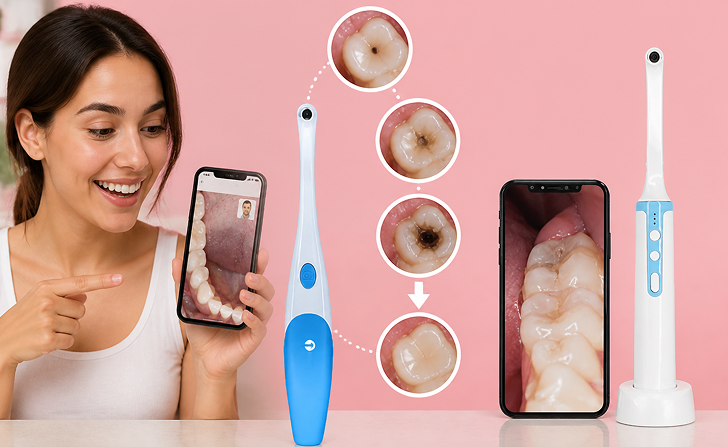
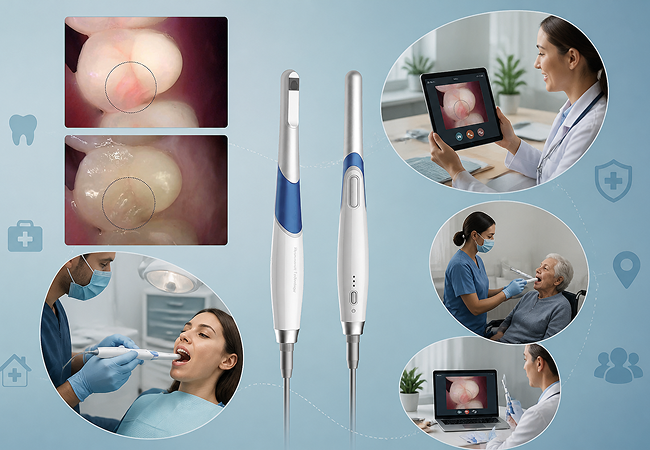
Visual communication is another area where intraoral cameras may be useful. During a dental appointment, a professional can use captured images as a reference when explaining visible oral structures or discussing possible next steps.
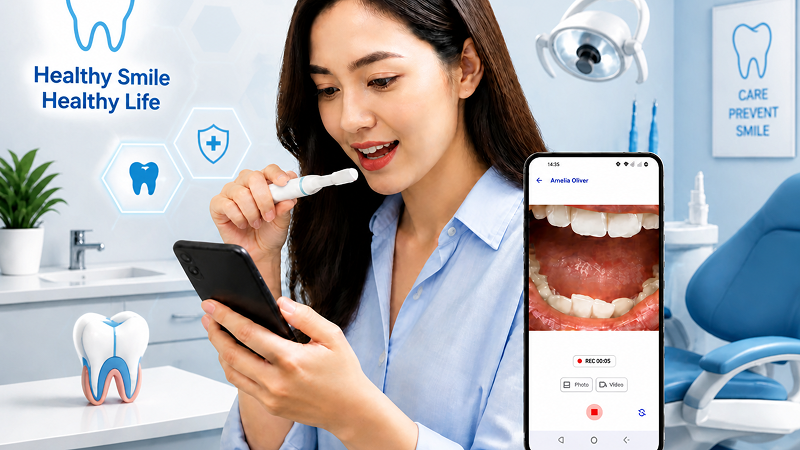
Images may also provide additional context during a virtual consultation when patients can capture and share them using a suitable device and process.
However, the usefulness of remote images depends on factors such as lighting, camera positioning, image quality, and which areas are visible. A virtual consultation may not provide enough information to assess every dental concern, and an in-person examination may still be necessary.
As teledentistry workflows develop, camera compatibility, ease of image sharing, privacy, and clear communication remain important considerations.
- Choosing an Intraoral Camera for Your Needs
Selecting an intraoral camera begins with understanding how and where it will be used. Rather than focusing on one feature alone, compare the overall device specifications against your requirements.
Consider the following questions:
- Does the camera support your preferred computer, smartphone, or tablet?
- Would a wired or wireless connection suit your workspace?
- What image capture and viewing options are available?
- Are the setup, cleaning, and maintenance instructions appropriate for your intended use?
- Does the device fit your budget and equipment requirements?
- Are the necessary accessories and software included?
Reviewing these factors can help narrow the available options and make product comparisons more meaningful.
- Explore Dentulu MouthCAM Options
Dentulu offers different MouthCAM camera options for users to explore, including Wired MouthCAM, Wireless MouthCAM, and MouthCAM Pro.
Wired MouthCAM: An option to consider if you prefer a cable-connected configuration. Review its connection requirements and supported devices before purchasing.
Wireless MouthCAM: Worth exploring if a cordless camera setup better suits your intended workflow. Check the model’s connectivity, charging, and compatibility requirements.
MouthCAM Pro: An additional option in the MouthCAM range for users evaluating camera equipment for professional dental workflows. Review the product specifications and intended applications to determine whether it meets your needs.
Each model should be evaluated according to its published specifications and compatibility requirements. The appropriate choice depends on the user’s environment, intended applications, and equipment setup.
Visit MouthCAM.com to explore the available models and product information.
Conclusion
The future of intraoral cameras involves more than image capture. High-definition imaging, wired and wireless configurations, compact designs, digital workflow compatibility, and visual patient communication are all relevant considerations when evaluating dental imaging equipment.
For dental professionals and other users exploring these devices, understanding the available features and practical requirements is a useful starting point. Comparing specifications, connectivity, ease of handling, and intended applications can help guide an informed selection.
With wired, wireless, and Pro options available in the Dentulu MouthCAM range, users can explore different configurations and identify the model that best fits their requirements.
Explore the Dentulu MouthCAM range at MouthCAM.com to learn more about the available options.