Mouth Cameras and Preventive Oral Care: A Smarter Way to Monitor Your Oral Health
Preventive dentistry has always focused on one simple goal identifying potential oral health concerns before they become larger problems. Regular dental checkups, good oral hygiene, and healthy lifestyle habits remain the foundation of preventive care. Today, digital technologies like mouth cameras, also known as intraoral cameras, are adding another layer of support by making it easier for patients to observe and document changes in their oral health between appointments.
Whether used in a dental office or at home, mouth cameras provide detailed views of teeth and gums that may be difficult to see with a standard mirror. While they do not replace routine dental examinations or provide a diagnosis, they can help patients become more engaged in their oral health and support communication with their dental providers.
What Is Preventive Oral Care?
Preventive oral care focuses on maintaining healthy teeth and gums through regular monitoring, professional dental visits, and good daily habits. Rather than waiting until pain or discomfort develops, preventive care encourages early attention to oral health.
A preventive oral care routine typically includes:
- Brushing twice daily with fluoride toothpaste
- Cleaning between teeth with floss or interdental cleaners
- Eating a balanced diet
- Limiting sugary foods and beverages
- Regular dental examinations
- Professional cleanings
- Monitoring changes in your mouth
Technology is now helping patients take a more active role in this process.
What Is a Mouth Camera?
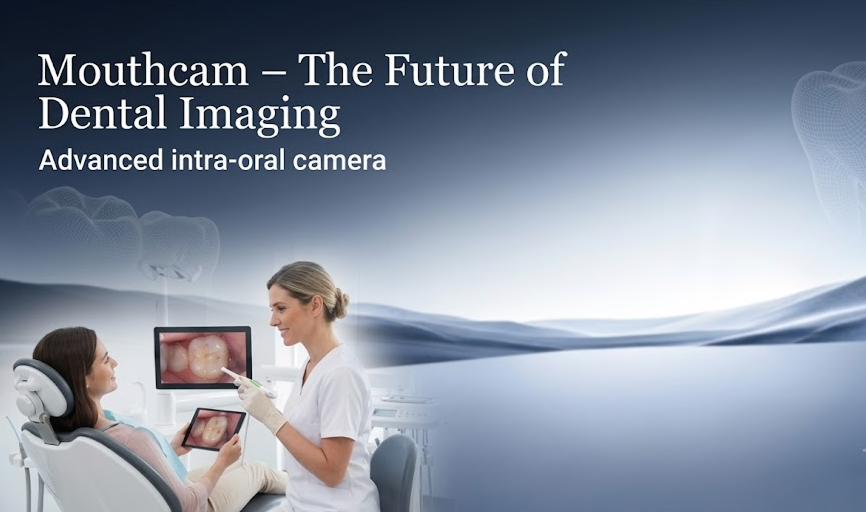
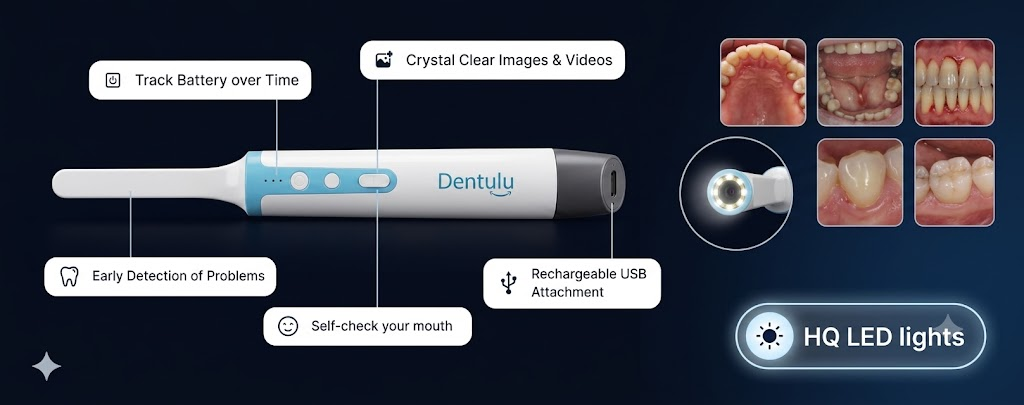
A mouth camera, or intraoral camera, is a handheld digital imaging device designed to capture close-up images and videos of the teeth, gums, and other oral tissues.
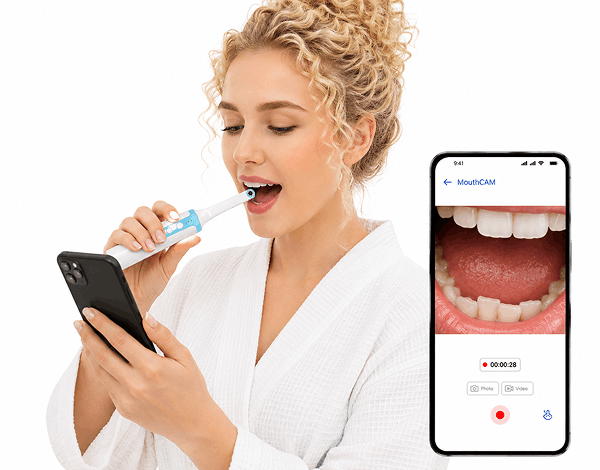
Unlike a traditional mirror, a mouth camera provides magnified, illuminated images that can be viewed on a smartphone, tablet, or computer. These images may be used for patient education, clinical documentation, and virtual consultations.
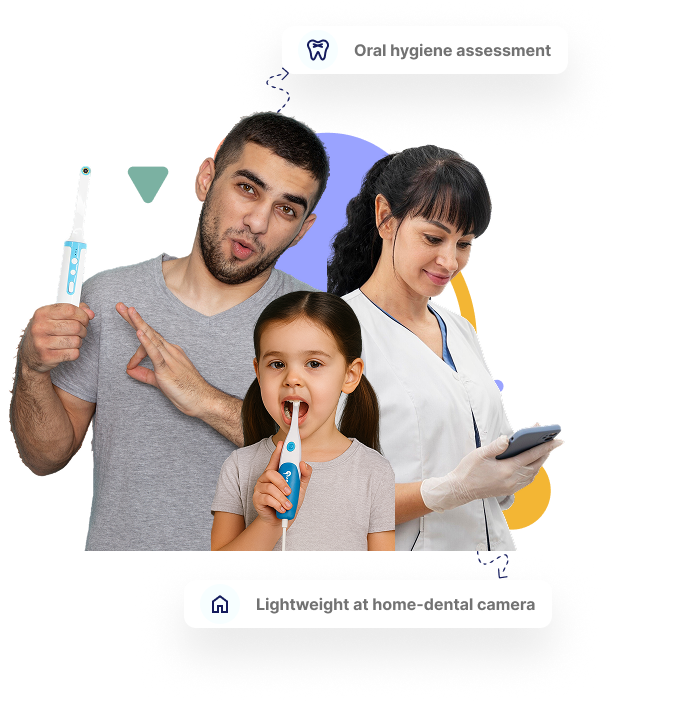
Today, mouth cameras are becoming an increasingly useful tool for home monitoring as well as in-office dental care.
How Mouth Cameras Support Preventive Oral Care
One of the biggest advantages of a mouth camera is visibility. Many areas inside the mouth are difficult to examine without magnification and proper lighting. A mouth camera allows users to observe these areas more clearly and monitor changes over time.
For example, a patient may notice:
- A chipped tooth
- Changes around an existing filling
- Gum irritation
- Tooth wear
- Areas that appear different from previous images
Documenting these observations can make conversations with a dental professional more productive during routine visits or virtual consultations.
What Can You Monitor at Home?
Although only a licensed dental professional can diagnose oral health conditions, a mouth camera can help you observe changes that may warrant professional evaluation.
Examples of things you can visually monitor with the Dentulu MouthCAM include:
- Early or advanced cavities
- Bleeding gums
- Gum recession
- Cracks in teeth
- Broken or chipped fillings
- Failing crowns
- Tooth wear caused by grinding (bruxism)
- Mouth ulcers or cold sores
- Changes in soft tissues
- Areas of irritation
- White or red patches that should be evaluated by a dental professional
- Changes that may require further assessment during an oral cancer screening
If you notice persistent or unusual changes, it is important to contact your dentist for an examination.
Supporting Virtual Dental Care
Preventive care no longer happens only during in-office appointments. Teledentistry has made it easier for patients to communicate with dental professionals from home.
High-quality intraoral images can support:
- Virtual consultations
- Dental second opinions
- Orthodontic progress reviews
- Follow-up appointments
- Discussions about oral concerns
Rather than relying only on verbal descriptions, patients can share detailed images that provide additional context for their dental provider.
Dentulu MouthCAM and Connected Preventive Care
The Dentulu MouthCAM is designed to help patients capture detailed intraoral images at home as part of a connected oral health experience.
The MouthCAM product family, including the Dentulu MouthCAM Wired, Dentulu MouthCAM Wireless, and MouthCAM Pro AioBio Intraoral Camera, enables users to document their oral health and securely share images with licensed dental professionals when appropriate.
Combined with virtual consultations and routine dental visits, these tools can help patients stay engaged in preventive oral care.
Mouth Cameras Complement – Not Replace Dental Visits
While mouth cameras provide valuable visual information, they are not a substitute for comprehensive dental examinations.
Dentists use multiple tools when evaluating oral health, including:
- Clinical examinations
- Dental X-rays
- Medical and dental history
- Periodontal assessments
- Other diagnostic procedures when appropriate
A mouth camera is best viewed as an additional tool that supports observation and communication, rather than diagnosis.
Tips for Using a Mouth Camera Effectively
To capture useful images:
- Brush and rinse before taking photos.
- Clean the camera according to the manufacturer’s instructions.
- Use the built-in lighting for better visibility.
- Capture multiple angles of the teeth and gums.
- Keep the camera steady to reduce blur.
- Save images so you can compare changes over time.
- Share images with your dentist if requested.
These simple steps can help produce clearer images that support discussions about your oral health.
Final Thoughts
Preventive oral care is about staying proactive rather than reactive. While regular dental visits remain essential, tools like mouth cameras can help patients stay more aware of changes in their oral health between appointments.
By allowing users to capture detailed images from home, the Dentulu MouthCAM supports better communication, virtual consultations, and ongoing oral health monitoring. When used alongside professional dental care not in place of it, it can become a valuable part of a preventive oral health routine.
The combination of healthy daily habits, regular dental examinations, and digital tools is helping shape a more connected approach to oral care, empowering patients to take an active role in maintaining healthy smiles.